
Gut Health
Gut Health: Building a Strong Foundation from Within
Your gut does much more than digest food—it plays a central role in immunity, metabolism, energy levels, and even mood. When your gut is balanced, your body absorbs nutrients better, feels lighter, and functions more efficiently. When it’s not, it can show up as bloating, discomfort, low energy, skin issues, or irregular digestion.
A natural approach to gut health focuses on restoring balance rather than just managing symptoms.
Why Your Gut Matters More Than You Think
The gut is home to trillions of bacteria that influence how your body processes food and maintains overall health. A healthy gut supports:
- Efficient digestion and nutrient absorption
- Strong immunity
- Stable energy levels
- Better skin and mental well-being
When this balance is disrupted, it can affect multiple systems in the body—not just digestion.
Feeding Your Gut the Right Way
What you eat directly impacts your gut environment. Instead of restrictive diets, the focus should be on nourishing your digestive system with the right kinds of foods.
A gut-friendly diet typically includes:
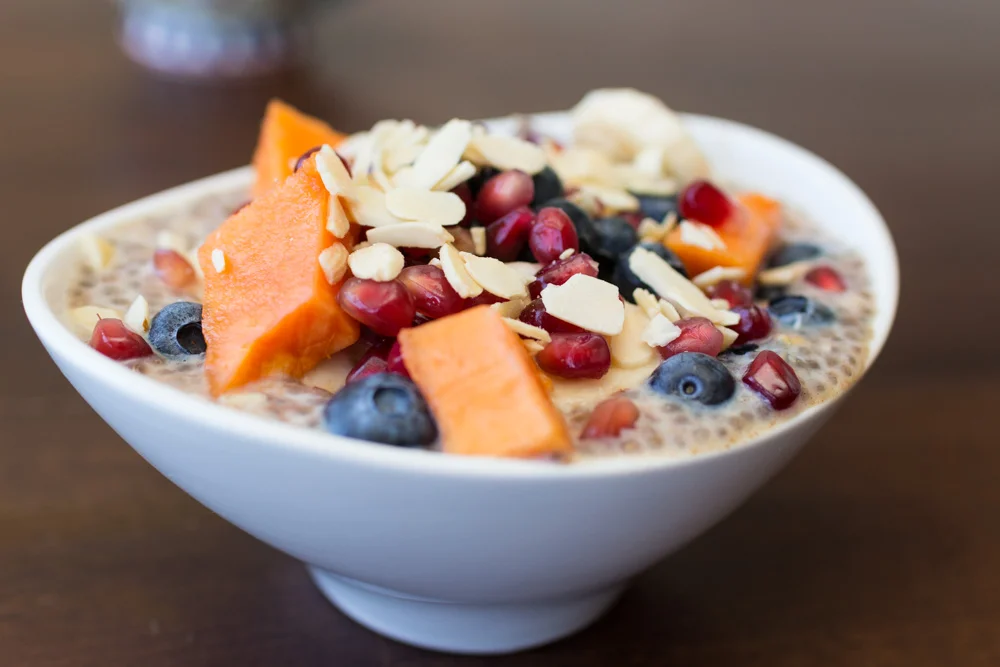
- Fiber-rich foods like vegetables, fruits, and whole grains
- Natural probiotics such as curd, buttermilk, and fermented foods
- Prebiotic foods (like garlic, onions, bananas) that feed good bacteria
- Adequate hydration to support digestion
Limiting highly processed, fried, and sugary foods can help reduce gut irritation and imbalance.
Signs Your Gut Needs Attention
Your body often gives subtle signals when your gut health is off. Common signs include:
- Frequent bloating or gas
- Constipation or loose motions
- Feeling heavy after meals
- Food sensitivities
- Low immunity or recurring infections
Recognizing these early signs can help you take timely action.
The Gut–Mind Connection
Your gut and brain are closely connected. Stress and emotional health can directly affect digestion.
When stress levels are high, you may notice:
- Slower digestion
- Increased acidity or discomfort
- Changes in appetite
Managing stress through simple practices like breathing exercises, walking, or relaxation techniques can positively impact gut health.
Everyday Habits That Support Digestion
Small, consistent habits can make a big difference in how your gut functions:
- Eating meals at regular times
- Chewing food properly instead of rushing
- Avoiding overeating or long gaps between meals
- Sitting down calmly while eating
- Staying active throughout the day
These practices help your digestive system work more efficiently.
Avoiding Common Gut Health Mistakes
Many people unknowingly harm their gut through everyday habits such as:
- Skipping meals or irregular eating patterns
- Excessive intake of packaged or fast foods
- Overuse of antibiotics without proper guidance
- Eating too quickly or while distracted
Correcting these habits can significantly improve digestion over time.
Personalizing Your Gut Health Approach
Each person’s digestive system is different. What suits one individual may not suit another.
A personalized approach considers:
- Your digestion patterns and symptoms
- Food tolerance and preferences
- Daily routine and lifestyle
- Overall health goals
This ensures that changes are practical, comfortable, and sustainable.
A Natural Path to Better Gut Health
Improving gut health doesn’t require drastic changes. With consistent, mindful habits and balanced nutrition, your digestive system can gradually become stronger and more efficient.
Over time, this can lead to:
- Reduced bloating and discomfort
- Better nutrient absorption
- Improved energy levels
- Stronger immunity
Taking care of your gut is one of the most effective ways to support your overall health—naturally and sustainably.
Get In Touch